Ethereum
 Solana
 Hyperliquid
 Arbitrum
 Base
Base BNB Smart Chain
 MegaETH
 Tempo
Tempo Avalanche
 Aptos
Aptos TRON
TRON Ronin
Ronin zkSync Era
 Optimism
 Sonic
Sonic Polygon
 Unichain
 Fantom
 Gnosis Chain
 Sui
Sui Avalanche Subnets
 Polygon CDK
 Starknet Appchains
 zkSync Hyperchains



 Refer and earn
 Discord
 Telegram
 X (Twitter)
How Whale Alert delivers blockchain alerts to 3M users with zero incidents

Whale Alert monitors billions of blockchain transactions and delivers over 85,000 alerts to more than 3 million users across multiple blockchain networks. Running real-time analytics at this scale requires reliable infrastructure. After migrating their Polygon infrastructure to Chainstack, the team reduced incidents from weekly failures to zero.
“Ever since we switched to Chainstack for Polygon, zero issues. We’ve gone from weekly incidents to zero incidents. And you actually know what the f*** you’re talking about — that’s really good.”
— Frank S., Founder of Whale Alert
Who is Whale Alert?
Whale Alert is a blockchain analytics platform with a mission to become the Bloomberg Terminal for crypto. Founded in 2018 in the Netherlands, the platform focuses on bringing transparency to the crypto ecosystem by tracking large blockchain transactions across multiple networks and publishing real-time alerts and analytics.
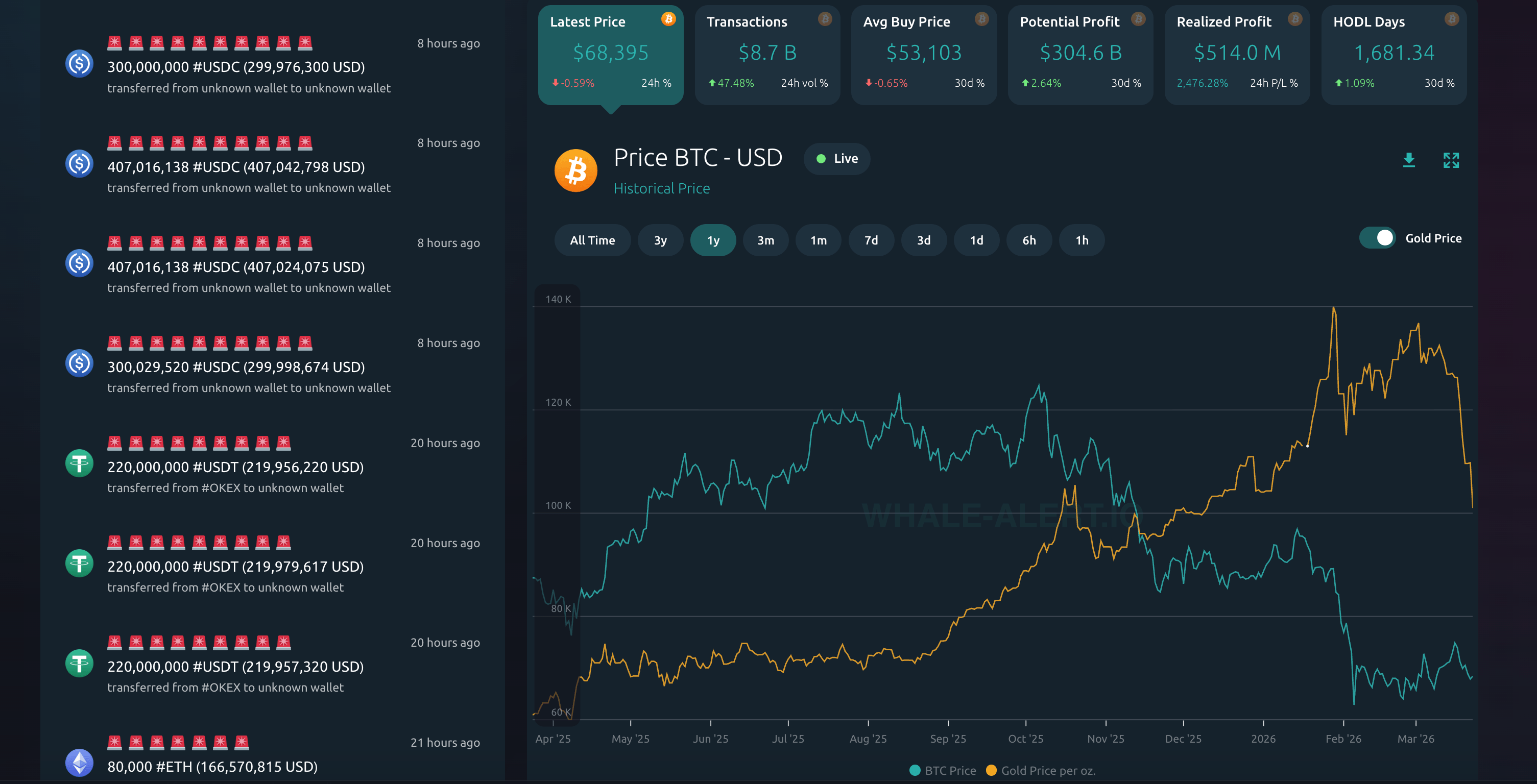
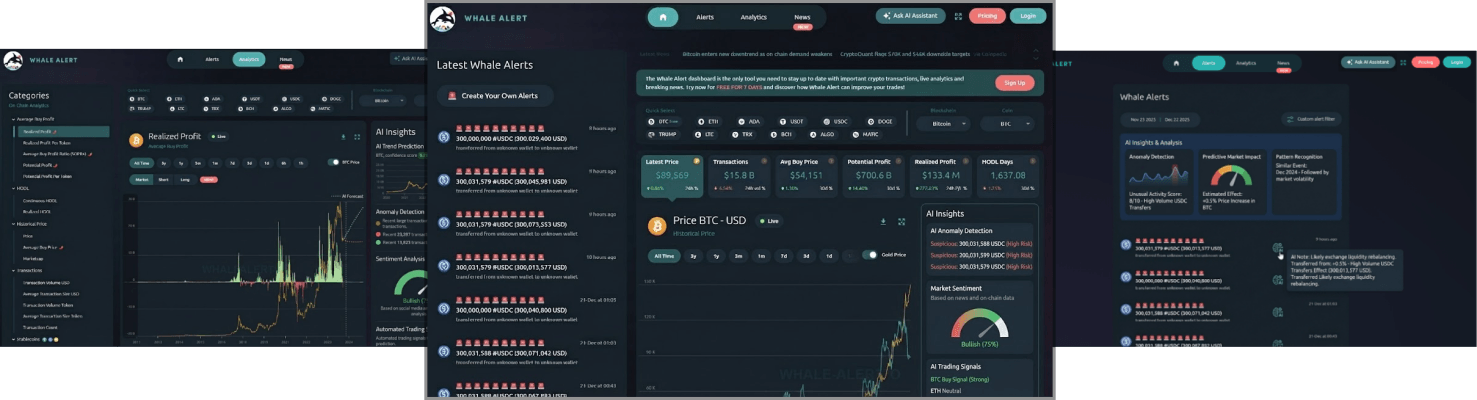
The platform aggregates on-chain signals across multiple blockchains — large transaction alerts, wallet activity, market sentiment metrics — and packages them into actionable intelligence for traders and investors. Its newest capabilities include real-time analytics such as SOPR metrics, realized profit data, and total transaction volumes for over 100 different assets: data that was previously only available to professional traders.
Where most analytics platforms focus on a single chain like Ethereum or Bitcoin, Whale Alert’s differentiator is breadth. The team wants every meaningful on-chain signal, for every major blockchain, available in one place. If it’s a signal, if it can help someone make a trade, Whale Alert wants to surface it.
That ambition created an infrastructure problem that would define the company’s early years.
Main challenge: a jungle of node providers
Building a cross-chain analytics platform means one thing above all else: you need reliable, accurate node access — across as many blockchains as possible, simultaneously.
Whale Alert started, like many Web3 teams, by running their own nodes. A Bitcoin node. An Ethereum node. It didn’t take long to realize this path was unsustainable.
“It’s just too expensive, and it takes up way too much of our time.”
Self-managed nodes are a full-time engineering job. Configuration is complex, syncing issues are common, and costs scale fast. So the team turned to managed node providers — and discovered a different kind of problem.
The node provider market is a jungle.
Quality varies wildly. Chain coverage is fragmented. Pricing is all over the place — for some obscure chains, one provider quoted $4,000 per month. Whale Alert found themselves juggling Alchemy, GetBlock, Chainstack, ChainNodes, and others simultaneously, trying to stitch together coverage for a growing list of blockchains.
The result was operational chaos:
- Unsynchronized nodes causing double transaction hashes and block reordering
- Corrupt trace data that broke their sanity checks
- Support teams who were slow, and often didn’t understand the underlying problems
- Polygon becoming a near-daily emergency — nodes out of sync meant corrupted database state, requiring Whale Alert to roll back a full week of data and re-ingest everything from scratch
That last point deserves emphasis. Whale Alert runs rigorous sanity checks on every block — verifying transaction hash uniqueness, correct block ordering, and valid address balance histories. When their Polygon node provider failed those checks, the only fix was a database reset and hours of re-ingestion. This was happening almost every week.
“We wanted one provider that does everything well — at the lowest possible cost, but also with the largest stability. We were fed up.”
Why Chainstack?
The decision to consolidate on Chainstack came down to three factors.
- Quality of support that actually solves problems: Most node providers have one strong engineer and a support team that relays messages back to them slowly. Chainstack’s support was different — fast, knowledgeable, and willing to dig into real technical issues alongside the Whale Alert team.
- Breadth of chain coverage: Chainstack’s catalog of supported networks aligned with Whale Alert’s multi-chain ambitions better than any single alternative.
- The best partnership offer: Whale Alert wasn’t just looking for a vendor — they were looking for a partner. After evaluating multiple providers, the conversation with Chainstack stood out.
“You guys made the best offer. We had the best talk with you, so we decided — you know what, we’re going with Chainstack.”
What changed after switching
Whale Alert’s architecture means they pull blockchain data from node providers into their own database, run analysis on it, and generate alerts through their API. There’s no direct connection between their customers and Chainstack — but the quality of that upstream data flows through everything downstream.
The impact of switching was immediate and measurable.
Polygon: From weekly crises to zero incidents
This is the headline result. Before Chainstack, Whale Alert’s Polygon integration triggered sanity check failures almost every week. Each failure meant:
- Identifying the corrupted data window
- Rolling the database back approximately one week
- Re-ingesting all of that data from scratch
- Hours of engineering time lost per incident
Since migrating Polygon to Chainstack: zero incidents.
Centralized costs and better visibility
Running four or five node providers simultaneously made it nearly impossible to track infrastructure spend. With Chainstack as the primary provider, costs became centralized and transparent — easier to monitor, easier to optimize.
Operational calm
Perhaps harder to quantify but equally valuable: the Whale Alert team stopped firefighting node issues and returned to building. Weekly incident response became a thing of the past.
Results at a glance
| Metric | Before Chainstack | After Chainstack |
|---|---|---|
| Polygon data incidents | ~Weekly | Zero |
| Node providers managed | 4–5 simultaneously | Consolidated |
| Database reset frequency | Multiple times per month | None |
| Cost visibility | Fragmented across vendors | Centralized |
What’s next
Whale Alert is actively expanding their blockchain coverage and sees Chainstack as the natural partner for that growth. When Chainstack’s Tempo Mainnet went live, it highlighted an opportunity: launching support for a new chain in Whale Alert simultaneously with a Chainstack maixnnet launch, creating a joint go-to-market moment for both platforms. It’s a collaboration model the team is keen to build on.
Bottom line
For teams building multi-chain data infrastructure, the stakes around node reliability are high. Bad data doesn’t just mean a bad product — it means engineering time lost to incident response, database resets, and debugging problems that originate upstream.
Whale Alert’s experience illustrates what the right node provider looks like in practice: stable data you can trust, support that understands your problems, and coverage broad enough to match your ambitions.
If you need stable node access across multiple chains — and you actually need the data to be correct — that’s what Chainstack is for.
More ways teams use Chainstack