AI-ready infrastructure
 Refer and earn


 Ethereum
 Hyperliquid
 Solana
 Arbitrum
 BNB Smart Chain
 Base
Base Polygon
 TRON
TRON Sui
Sui Robinhood


5 Web3 tools for wallets, onboarding, and signing

An embedded wallet is not just a login button. It defines how an account is created, where authority over keys lives, which sessions can sign, how a user recovers access, and what the product can safely automate.
Choose the authority model before polishing the UI. Magic, Turnkey, Sequence, and Para help products provision or operate user wallets. Lit Protocol provides a related but different capability: condition-based signing in a chain-secured trusted execution environment.
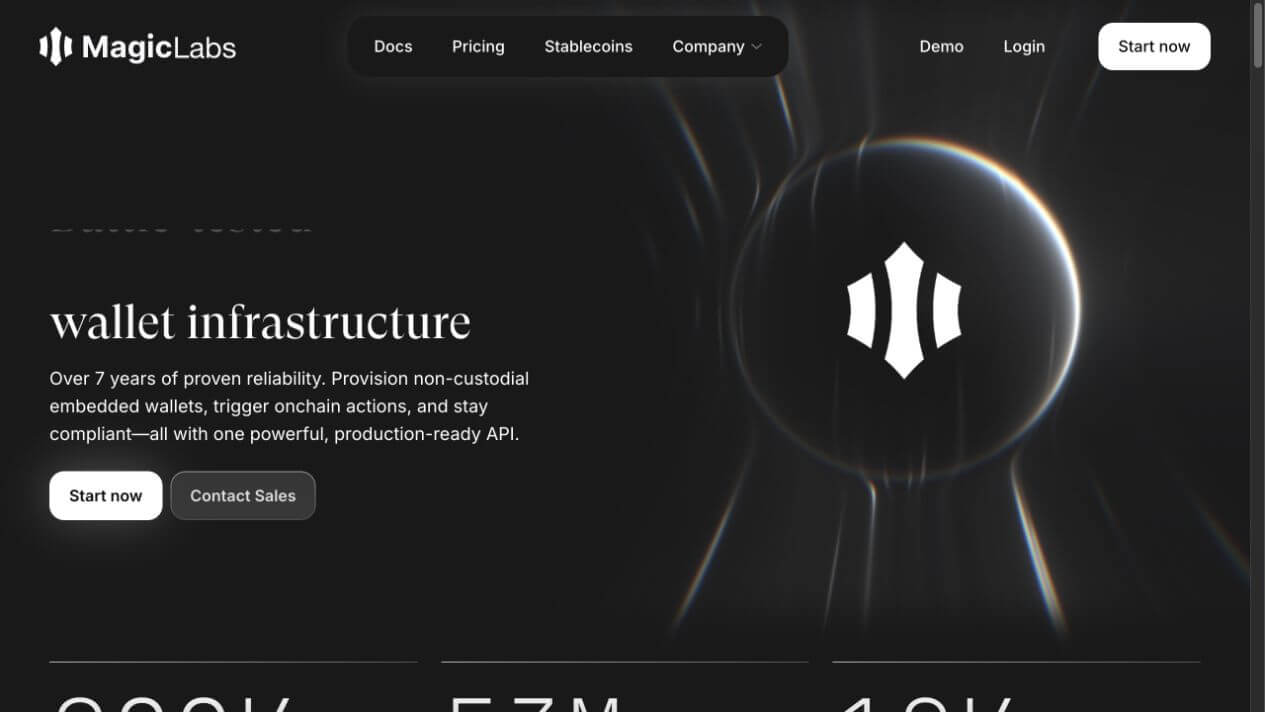
Magic provides embedded wallet infrastructure for applications that want passwordless onboarding. Its SDK documentation covers email one-time passcodes, SMS login, OAuth, wallet connection, a configurable wallet interface, and EVM transaction methods.
It fits consumer applications that want to own the product experience while treating the wallet as part of the account. A game, loyalty program, or marketplace can start from email or social sign-in, create a wallet in the background, and introduce blockchain concepts only when they matter to an action.
Low-friction onboarding should reduce jargon, not user agency. Decide where the product shows a public address, transaction history, recovery options, and security settings.
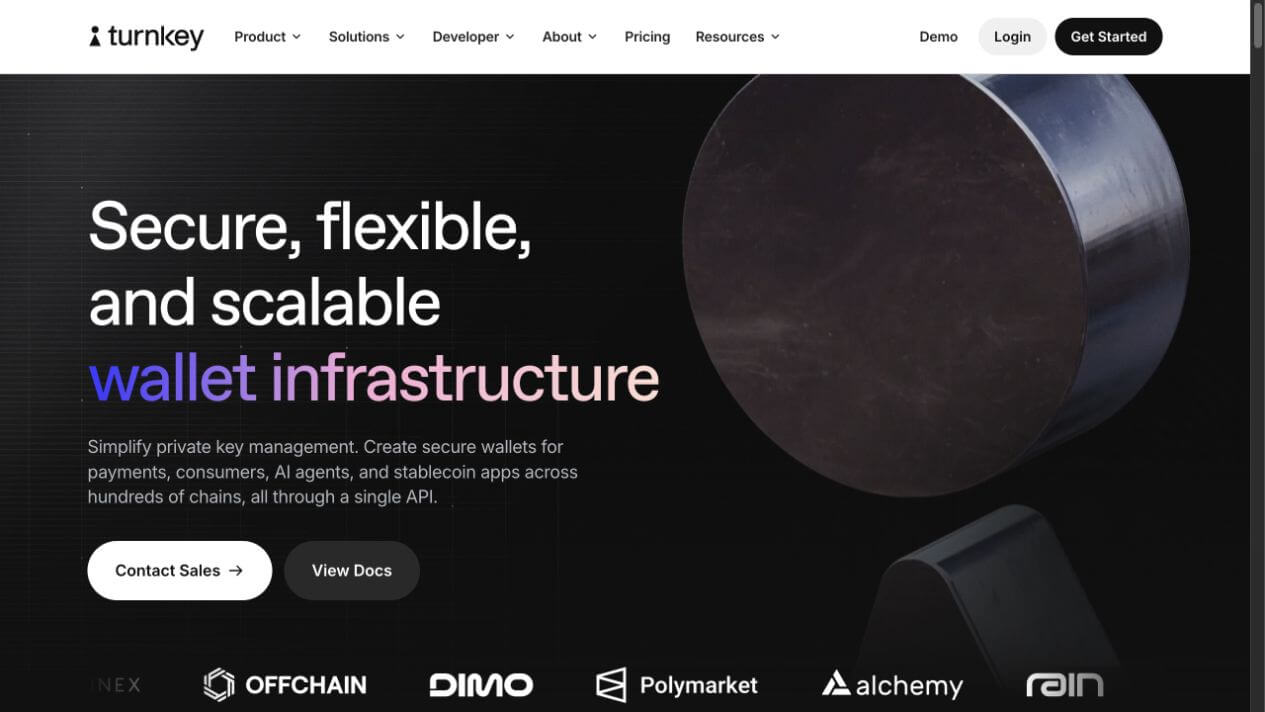
Turnkey is infrastructure for generating wallets and keys, signing transactions, and controlling how they can be used. Its documentation describes hardware-isolated enclaves, embedded wallets, company wallets, key management, sessions, delegated access, and a policy engine.
It is a better starting point when signing architecture itself is a core product concern. That can include consumer wallets, service wallets, operational automation, treasury-like controls, or agentic workflows.
Start with a signing inventory. For every entity that can authorize an action, document its permissions, spending limits, approvals, logs, and emergency disablement rules. This creates a usable security model before the first SDK call.
Sequence
Connected wallets, authentication, payments, and data
Sequence offers a modular stack that combines wallets, authentication, cross-chain payment flows, real-time data, and developer SDKs. Its documentation includes web, mobile, Unity, and Unreal SDKs, plus an indexer, transaction API, marketplace API, and hosted storefront paths.
It is relevant for application and game teams that want to avoid stitching together a separate wallet provider, payment component, balance service, and marketplace data path before proving the product.
Treat the wallet as a stable account surface, not merely a transaction pop-up. Users should be able to understand their assets, identity, activity, and what a purchase or signature authorizes.
Para is an embedded wallet and authentication suite for crypto and fintech applications. Its documentation supports a Para modal, a custom interface, or wallet operations from a backend, with email, phone, social login, and passkeys.
It is a strong comparison candidate when the product wants to control its own UI but needs a defined path across web, mobile, server, and multiple blockchain ecosystems. Its non-custodial MPC model distributes key shares between the user device and Para infrastructure.
Make ownership of authentication explicit. That choice affects account linking, session lifecycle, support workflows, recovery, and how the product verifies an access-change request.
Lit Protocol
Condition-based signing and policy-controlled automation
Lit Protocol is not a conventional embedded wallet provider. It is a programmable runtime for reading data, running JavaScript in a chain-secured trusted execution environment, and signing actions through programmable key pairs.
It becomes relevant when an action must be authorized by rules rather than a user clicking a confirmation every time. A product could sign only after a position crosses a threshold, an external API returns a result, or an onchain permission is present.
Keep delegated permission legible. Define the condition, data source, scope, expiry, revocation path, and behavior when an oracle, API, or chain read is unavailable.
How Chainstack fits into the stack
Wallet infrastructure handles onboarding, keys, and signing. Chainstack provides the RPC and WebSocket connectivity that lets an application interact with blockchain state on supported chains. Use it to retrieve balances and contract state, prepare and submit application-controlled transactions, observe confirmations, and subscribe to the events that should update the account experience.
Keep the authority model, transaction review, and recovery experience visible to the user. In a conditional-signing design, the signing policy remains an application-owned rule.
Build wallet flows