AI-ready infrastructure
 Refer and earn


 Ethereum
 Hyperliquid
 Solana
 Arbitrum
 BNB Smart Chain
 Base
 Polygon
 TRON
 Sui
 Robinhood


How CoinStats runs 12.5M monthly requests on Chainstack

- ~12.5M requests a month (~400K a day) through Chainstack
- 99.99%+ success rate on traced requests: 122 failures out of ~3.9M in 30 days, about 1 in 32,000
- ~250 ms median response time on the balance service
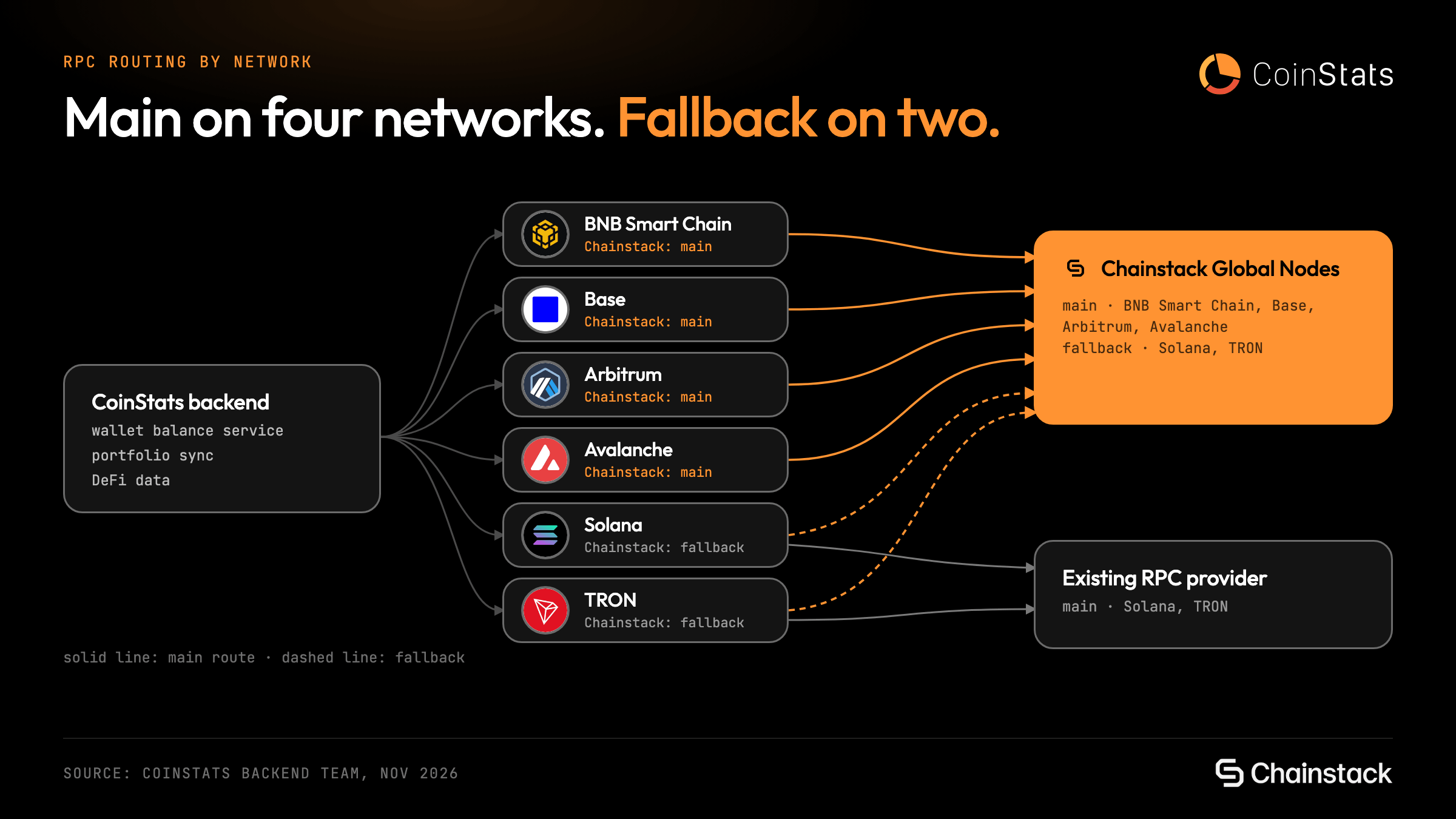
- 6 networks: main provider on BNB Smart Chain, Base, Arbitrum and Avalanche, fallback on Solana and TRON
For a portfolio tracker, a wallet balance is the core of the product. CoinStats makes more than 100 million on-chain requests a month to keep balances in sync across 100+ networks, and a slow or failed request affects what users see.
To make sure that never depends on a single provider, CoinStats added Chainstack Global Nodes next to the provider it already used. Today Chainstack is the main provider on four networks, BNB Smart Chain, Base, Arbitrum and Avalanche, and the fallback on Solana and TRON. About 12.5 million requests a month run through it.

“Chainstack is one of the best RPC providers on the market.”
Rafael Muradyan · Backend Team Lead, CoinStats
Meet CoinStats
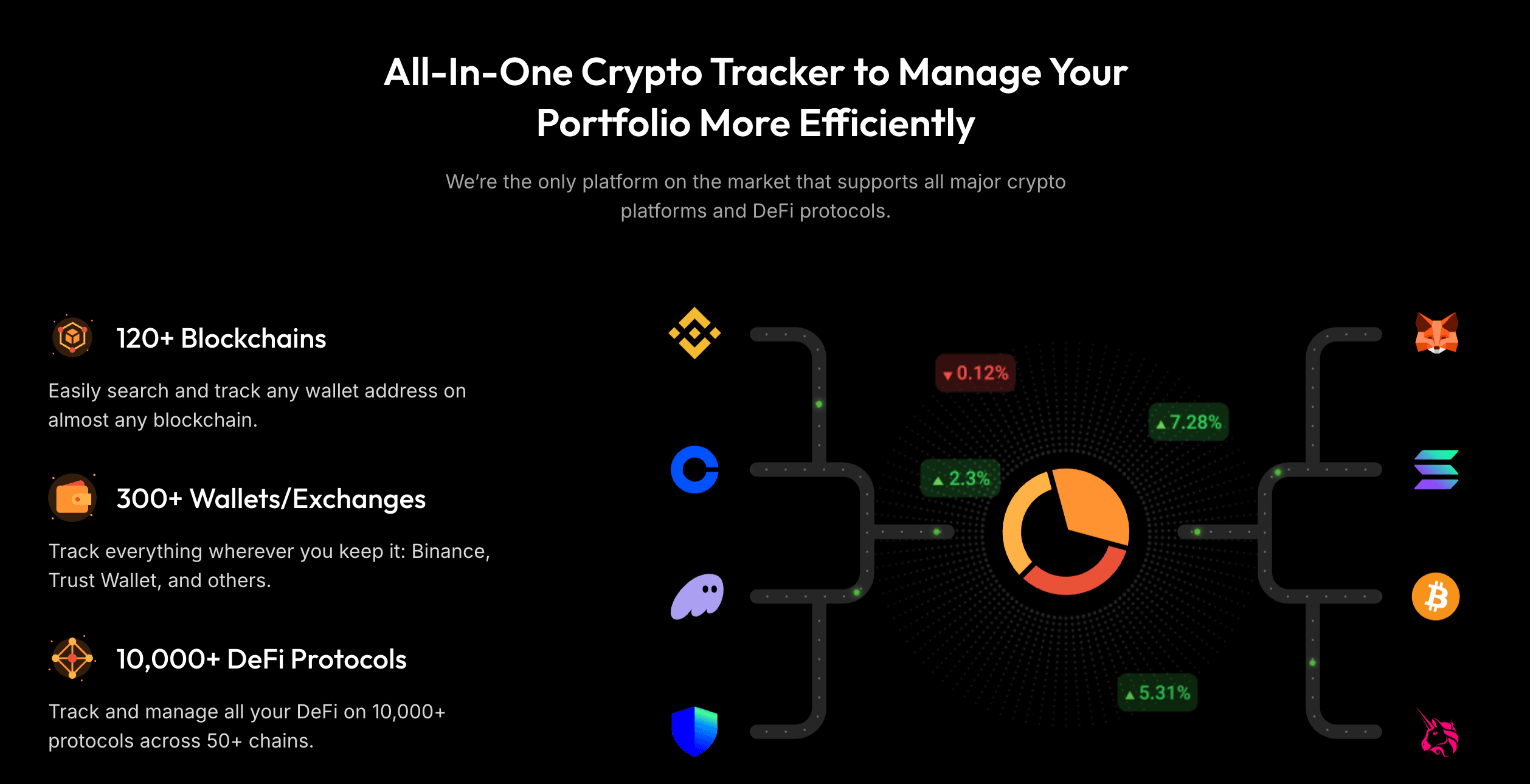
CoinStats is a crypto portfolio tracker, founded in 2017. Users connect their wallets, and the app pulls balances and positions from the chains they use into one view.
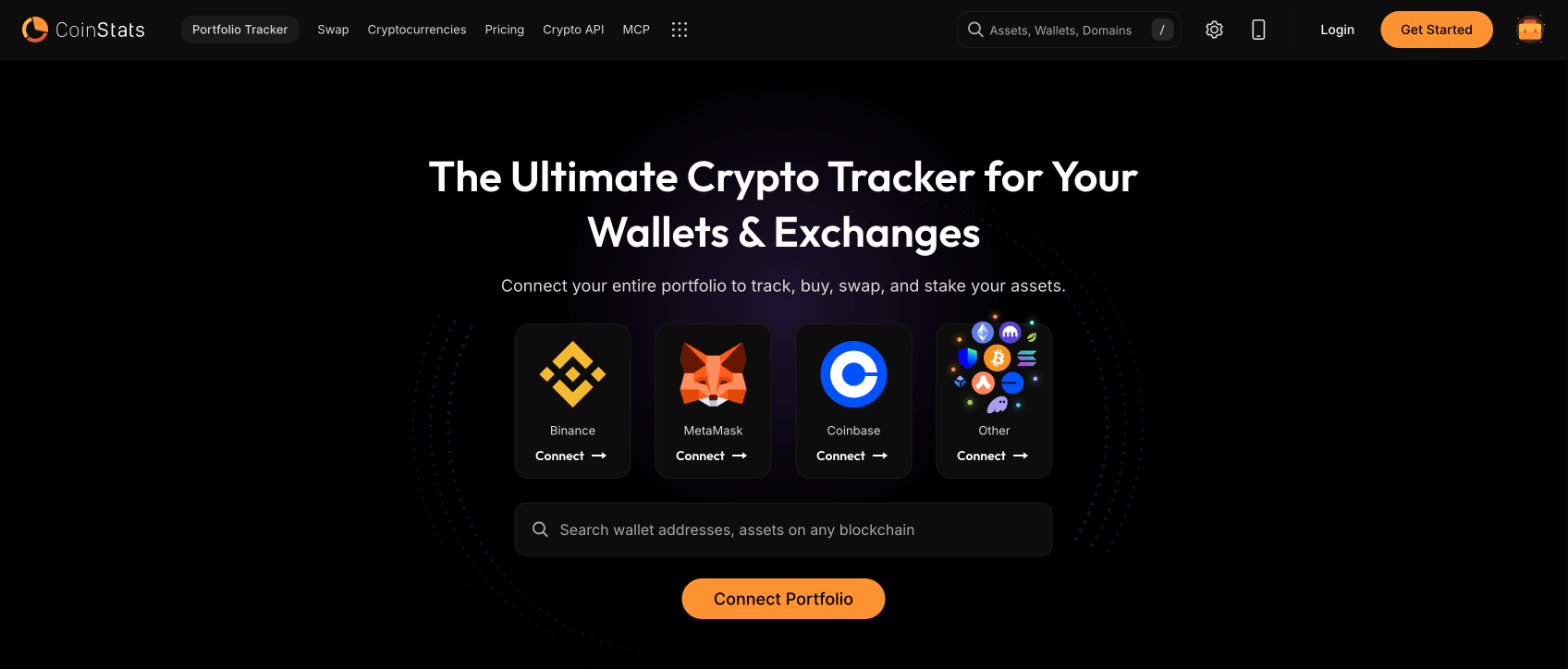
That sounds simple until you look at how it behaves under load. A portfolio spans many wallets and many networks, so a single refresh can turn into a lot of calls. Multiply that by every user and every sync, and the load adds up across everything from the large EVM chains to Solana and TRON.
Rafael Muradyan, Backend Team Lead at CoinStats, describes the stakes in one line: wallet balances are the core of the product. That makes the RPC layer under them one of the parts of the stack that has to keep working.
Chainstack announced its partnership with CoinStats on X in March 2023:
The challenge: the core feature on one provider
CoinStats was fetching wallet balances through public RPC nodes and kept running into slow responses and rate limits. Public endpoints are shared by everyone who uses them, so they throttle quickly under continuous load. With over 100 million on-chain requests a month across 100+ networks, that did not scale, and the team moved to paid plans with another RPC provider, which gave it higher limits and faster responses.
That fixed the throughput problem and created a different one:
- Public endpoints were out. The slow responses and rate limits that pushed the team to paid plans were not going to go away at this volume.
- One provider behind the balances. The paid plans solved throughput, but wallet balances now leaned heavily on a single vendor.
- No fallback for a critical path. If that provider slowed down or had an incident, balances would feel it, with nothing underneath to take the load.
“We didn’t want to rely on a single provider for something as critical as wallet balances, so we started looking for a backup.”
The trigger was the decision to remove a single point of failure from the most important feature.
Why Chainstack: coverage, stability, no rework
The team needed a reliable alternative to the provider it already used, with enough network coverage to back up a balance service that reads from many chains.
Broad network coverage in one place. CoinStats needed a second provider that could cover the networks its balance service reads from. Chainstack covers BNB Smart Chain, Base, Arbitrum, Avalanche, Solana and TRON, the six networks CoinStats runs through it today.
Stability on real traffic. The success rate and response times below come from production traffic, not a benchmark.
Setup that fits an existing stack. A second provider had to slot into the existing setup without extra work. Chainstack did, and the team did not have to rebuild anything around it.
Building with Chainstack
CoinStats runs Chainstack RPC nodes on all six networks. Three parts of the product send traffic through them:
- The wallet balance service, which reads balances across networks.
- Portfolio sync, which keeps each user’s holdings up to date.
- On-chain data for some DeFi features.
The two providers split the work by network. On BNB Smart Chain, Base, Arbitrum and Avalanche, Chainstack is the main provider. On Solana and TRON, it is the fallback. Global Nodes give the team a single endpoint per network, backed by nodes in multiple regions, so the application does not have to pick a location itself.
Global Nodes have also just been upgraded to GEN 2.0. In Chainstack’s own latency reports, median time to first byte got 2.9x to 4.7x faster on BNB Smart Chain, Arbitrum, Avalanche, Solana and TRON.
“Integration was completely seamless. Chainstack plugged right into our existing setup with zero extra work, which is exactly what you want from infrastructure.”
For a team that already ran balances through another provider, that matters more than any single feature. A second provider is only useful if it is easy to add and easy to keep, and a setup that needs custom work for every network tends to get skipped.
The results
With Chainstack in the stack, CoinStats’ wallet balance service no longer depends on a single RPC provider. The numbers:
- ~12.5M requests a month through Chainstack, about 400K a day
- 122 failed requests in the last 30 days, out of the ~3.9M the team traces in detail, a 99.99%+ success rate (about 1 in 32,000)
- ~250 ms median response time on the balance service
- 6 networks: main provider on BNB Smart Chain, Base, Arbitrum and Avalanche, fallback on Solana and TRON
- No additional engineering work needed to add Chainstack to the existing setup
Chainstack is now the main provider on four of the six networks and the second path on the other two, which is the point: two independent paths to on-chain data instead of one. CoinStats says it would recommend Chainstack to any team serious about multichain infrastructure, as a main provider or as a backup.
“Chainstack is a solid RPC provider with lots of supported networks and stable nodes. We run over 12 million requests a month through it, and it’s been a reliable part of our infrastructure.”
What’s next
CoinStats plans to keep monitoring usage and see where it can increase the share of traffic on Chainstack, since its latest changes have shown good results.
Build like CoinStats
If your product reads wallet balances or on-chain data across many networks and you want a second provider you can rely on, as the main one or as a fallback, Chainstack covers the networks CoinStats runs today.
Bottom line
For a portfolio tracker, the RPC layer sits directly under every balance a user sees. CoinStats added Chainstack next to its existing provider. It is now the main provider on four networks and the fallback on two.
If you need a second, reliable path to on-chain data across many networks, that’s what Chainstack is for.
More ways teams use Chainstack