AI-ready infrastructure
 Refer and earn


 Ethereum
 Hyperliquid
 Solana
 Arbitrum
 BNB Smart Chain
 Base
Base Polygon
 TRON
TRON Sui
Sui Robinhood


5 DeFi swap protocols for trading and liquidity

There is no universal best route for a token swap. A stablecoin exchange, a custom liquidity pool, a general-purpose swap widget, and an intent-based trade all create a different user experience and risk profile.
Match the protocol to the market design. This is an integration comparison for application teams deciding how to source liquidity or expose a swap flow, not a ranking of returns, token performance, or a recommendation to trade.
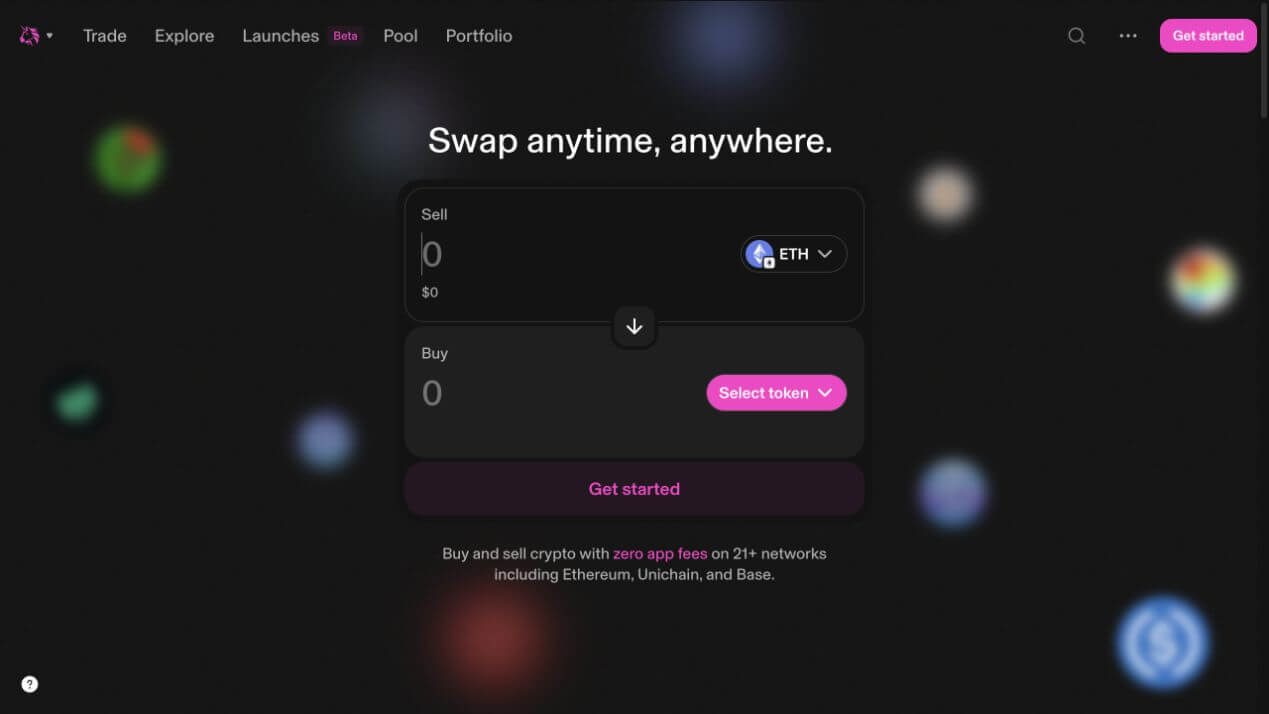
Uniswap is a broad starting point for teams adding swaps or liquidity features to a Web3 application. Its developer documentation covers swap integration, liquidity management, APIs, TypeScript SDKs, protocol contracts, v4 hooks, and token-launch tooling.
It can suit a familiar token-swap flow or programmatic liquidity management. An application-level integration may be enough for a simple entry point, while a custom SDK integration gives more control over routes, token selection, confirmations, fees, and transaction handling.
A general-purpose protocol is not a universal price guarantee. Display the token pair, route, fees, price impact, and minimum received before the user signs, especially when a trade can move price materially.
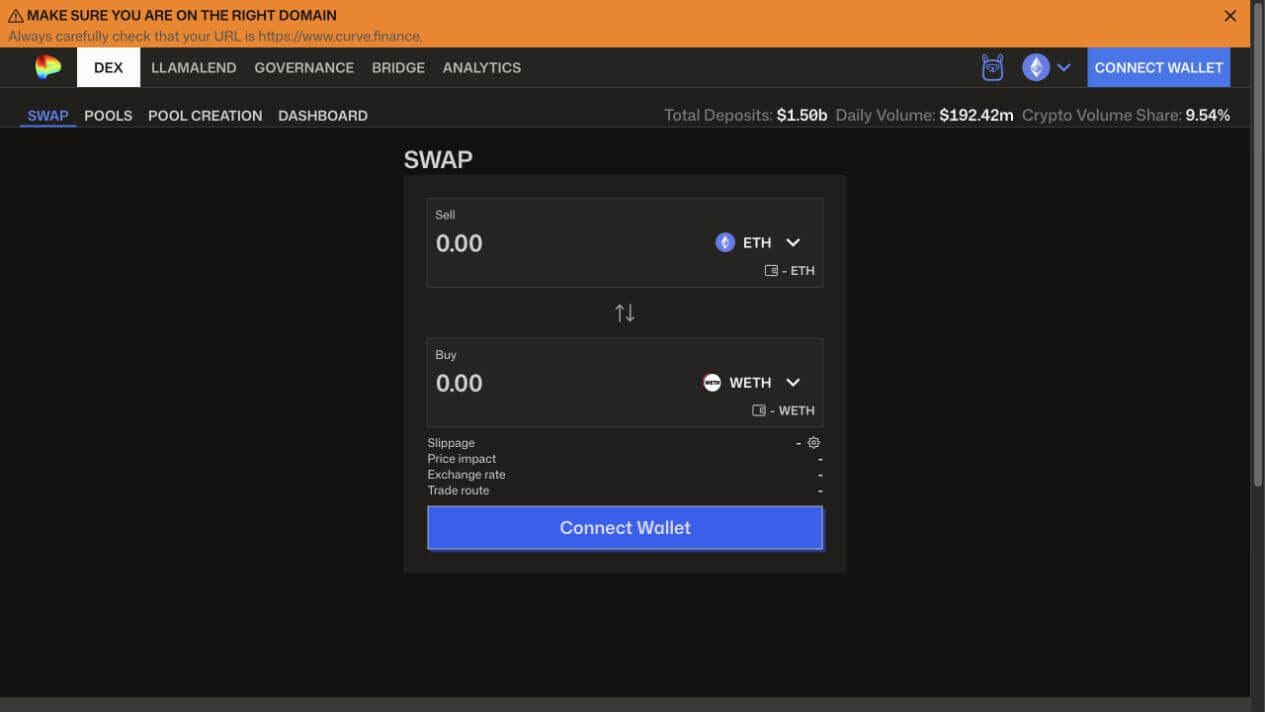
Curve is a DEX and liquidity protocol with a long-standing focus on stable and correlated assets. Its knowledge hub separates user flows for swaps and liquidity from developer resources for integrations, smart contracts, and APIs.
It is the first protocol to evaluate when the product expects users to exchange assets that should remain close in value, rather than arbitrary volatile pairs. A stablecoin-to-stablecoin or wrapped-asset pair has different liquidity and pricing behavior from a volatile-token pair.
Make the stable-pair assumption visible in the interface. Explain the assets, pool, expected amount, minimum received, fees, and transaction state. Low slippage is not a guarantee and cannot replace clear product language.
Balancer is a programmable automated market maker. Its v3 documentation covers swapping, adding and removing liquidity, SDKs, Solidity integration, custom AMMs, hooks, specialized routers, and pool tooling.
It is most relevant when the liquidity pool is a product primitive rather than an implementation detail. That may mean multiple assets, defined weights, a specialized pool type, or custom behavior through hooks.
Treat pool configuration as product policy. Define assets, weights, fees, liquidity-provider incentives, permissions, emergency controls, and risk disclosures before deployment. The protocol provides building blocks, but the team owns the economic and technical design.
CoW Protocol uses a distinct trading model: fair combinatorial batch auctions combined with onchain liquidity when needed. Rather than treating each action as an immediate interaction with one pool, the protocol collects orders and relies on solvers to find execution paths.
It is useful when the product cares about the order model as much as the pool. An application can frame an action as what the user wants to achieve, then let the execution mechanism seek a way to fulfill it.
The UX needs to make the lifecycle clear. Users should know when an order is signed, whether it is pending or executable, how long it remains valid, which limits apply, and when final execution occurred.
PancakeSwap is a DEX ecosystem with developer resources for EVM, Aptos, APIs, SDKs, and current exchange features. Its developer documentation positions the product as an extensible DEX stack with updated routers and integration paths.
It can fit a product that expects users to encounter multiple chains, an existing DEX-style interface, or an application layer built around the protocol’s routing and SDK options.
For production, pin the exact contracts, routers, SDK version, and network configuration. Maintain a chain and token allowlist, guard users against deceptive asset identifiers, and show the expected route and fees before signing.
How Chainstack fits into the stack
Chainstack is the blockchain connectivity layer around a DeFi integration. It does not choose a trade route or operate protocol liquidity. Use RPC and WebSocket access on supported chains to read contract state, retrieve relevant pool or token data, submit application-controlled transactions, monitor confirmations, and surface trustworthy transaction status.
The application still owns its token policy, user protections, transaction review, and the decision to expose any particular DeFi action.
Build DeFi apps