Global Berachain RPC Nodes provide personal, geographically diverse, and protected API* endpoints you can immediately start using to interact with Berachain Mainnet, starting at $0 per month.
 Best throughput
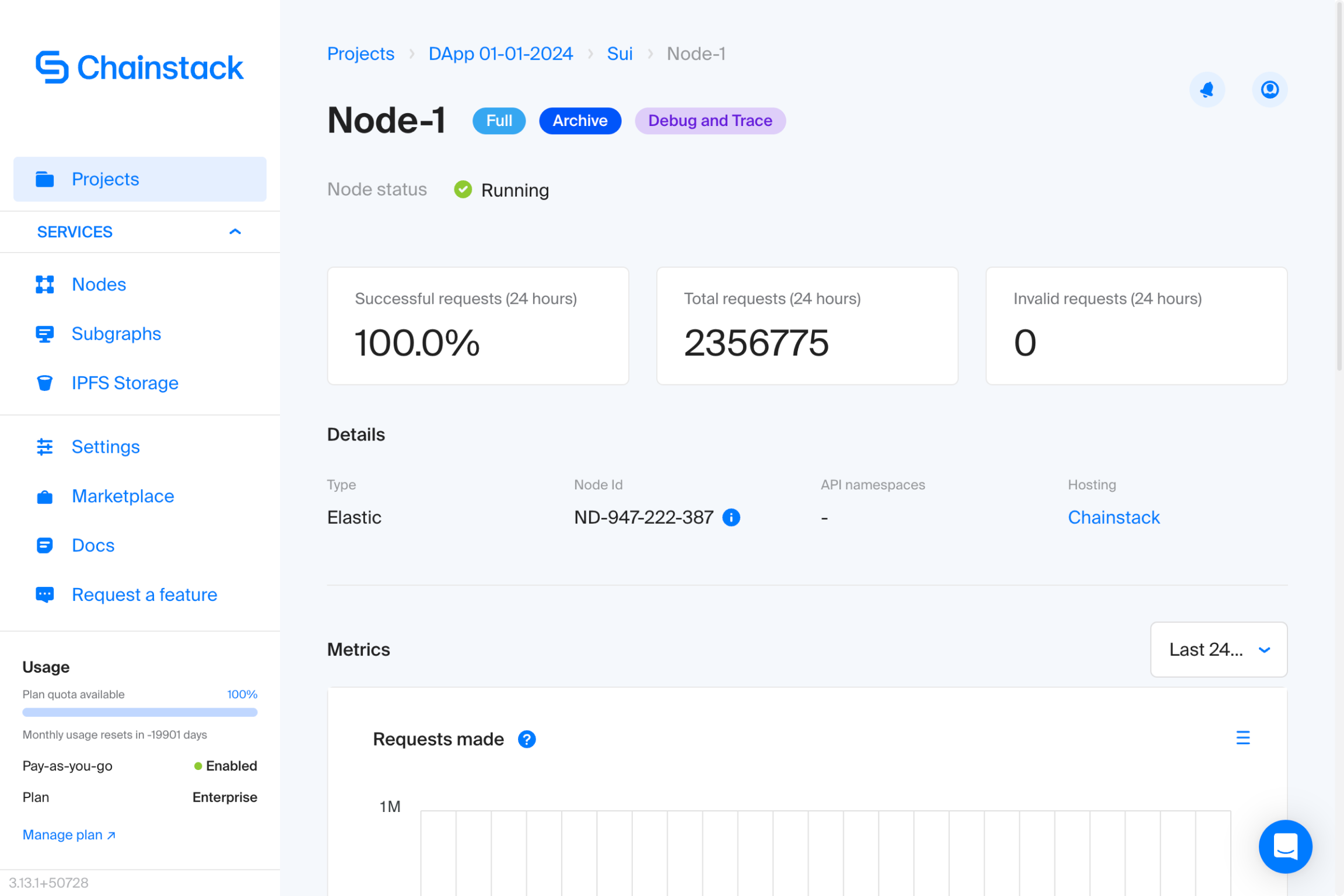
Never be short on resources when you need them. Enjoy the highest throughput in the industry, regardless of traffic volumes. Need to handle a massive influx? Go for it.
 No daily request limits
All our plans include class-leading monthly request volumes with no limits on the number or type of requests your DApp can make every day. Daily request limits? Who needs that?
 Global endpoint locations
Geo-load-balanced and distributed worldwide, Global Nodes automatically route requests to the nearest geo-located servers for the fastest service seamlessly.
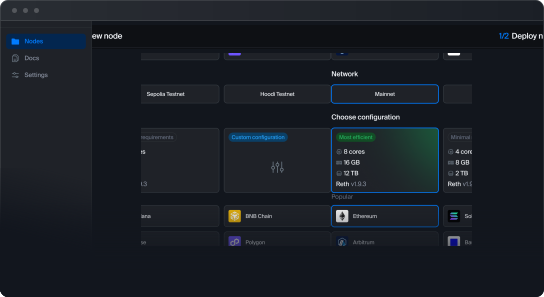
Deploy and operate Berachain nodes with one-click deployment, self-healing, snapshots, and right-sized configurations using Chainstack Self-Hosted.
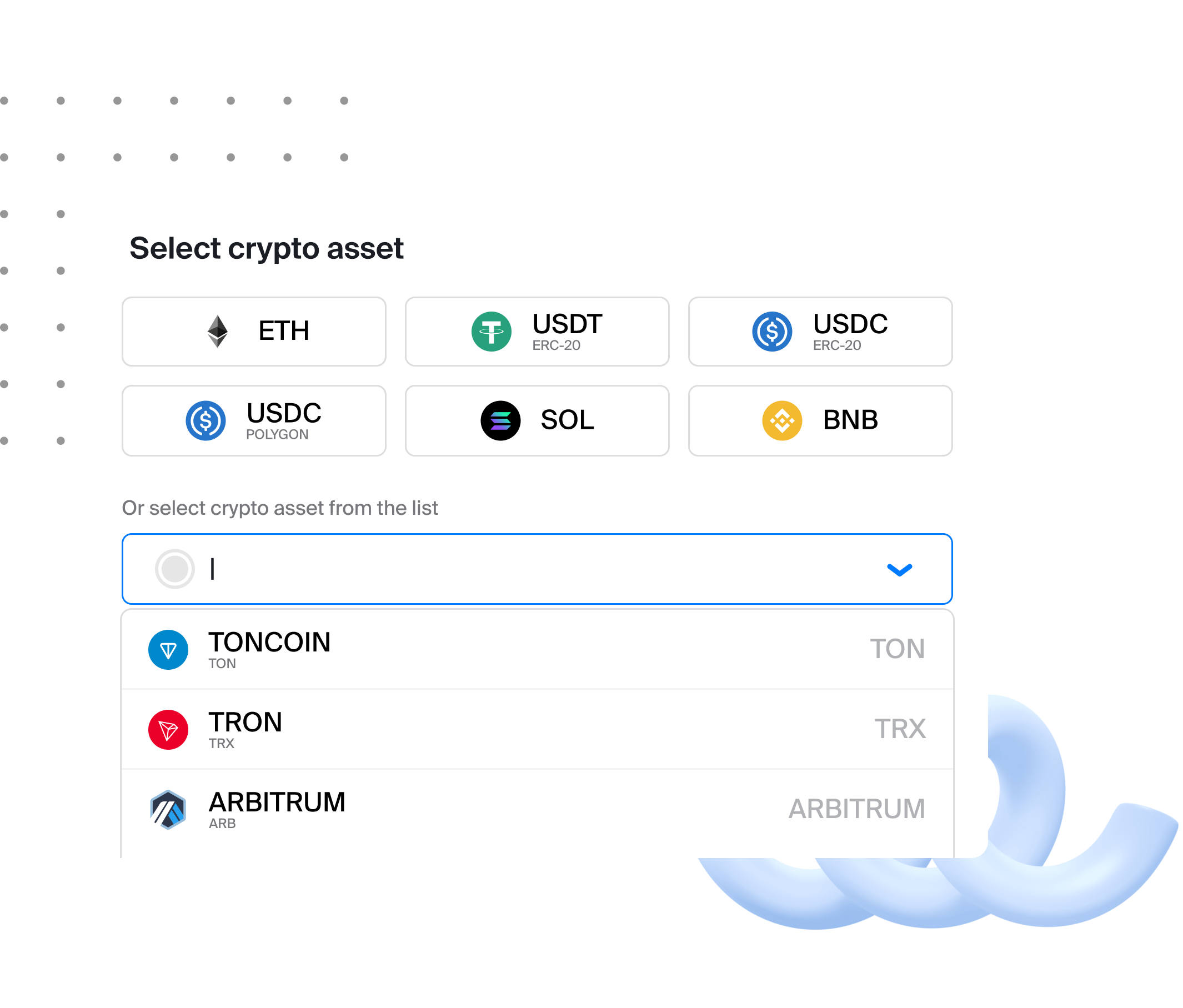
Flexible billing with crypto. Pay for every plan and service using Berachain or 150+ other available tokens. No lock-ins, no constraints—just seamless payments on your terms.
Request access to enterprise-grade Berachain RPC services tailored for performance, reliability, and scale.
When communicating with a Berachain node, the client implements a JSON-RPC specification compatible with Ethereum. The recommended libraries are ethers.js for JavaScript or web3.py for Python.
Uses a Proof of Liquidity (PoL) consensus mechanism where validators must provide liquidity to earn block rewards.
You can also access Berachain directly through the Chainstack MCP server — query live on-chain data, deploy nodes, request testnet funds from the faucet, and search Chainstack docs from Claude, Cursor, Windsurf, ChatGPT, Codex, Pi, Gemini, or any MCP-compatible or SKILL-compatible AI agent.

Berachain is a Cosmos-SDK EVM chain that employs a tripartite proof-of-liquidity system, aligning block producers, stakers, and liquidity providers through the BERA token.
Berachain’s Cosmos-SDK EVM chain exposes JSON-RPC and gRPC for bech32 accounts. A custom bera_getVotes endpoint reveals proof-of-liquidity staking. Otherwise, interaction mirrors any Ethereum chain.
Cosmos-SDK + EVM combo nodes run US $120-220 / month in typical regions. Liquidity module metrics raise CPU demand. Most builders save money by using Chainstack’s Berachain RPC.
Early Berachain testnets have free endpoints, but they reboot often. Chainstack matches the zero price and gives you 3 million stable calls per month.
Take the Berachain node URL from Chainstack Console. Add it under “Custom Network” in your wallet or set it in CosmJS / ethers depending on your stack.








 AI-ready infrastructure
 Refer and earn


 Ethereum
 Hyperliquid
 Solana
 Arbitrum
 BNB Smart Chain
 Base
Base Polygon
 TRON
TRON Sui
Sui Robinhood


