AI-ready infrastructure
 Refer and earn


 Ethereum
 Hyperliquid
 Solana
 Arbitrum
 BNB Smart Chain
 Base
Base Polygon
 TRON
TRON Sui
Sui Robinhood


5 Web3 payment tools for onramps, checkout, and invoices

A user funding a wallet, buying a specific digital item, selling crypto back to fiat, and paying an invoice are not starting the same journey. Treating every payment need as an onramp makes both the interface and the implementation harder to understand.
Start with the payment moment, then select the tool. The first four products below connect fiat payment methods to crypto activity. Request Network addresses a different job: creating, paying, and reconciling crypto-native payment requests.
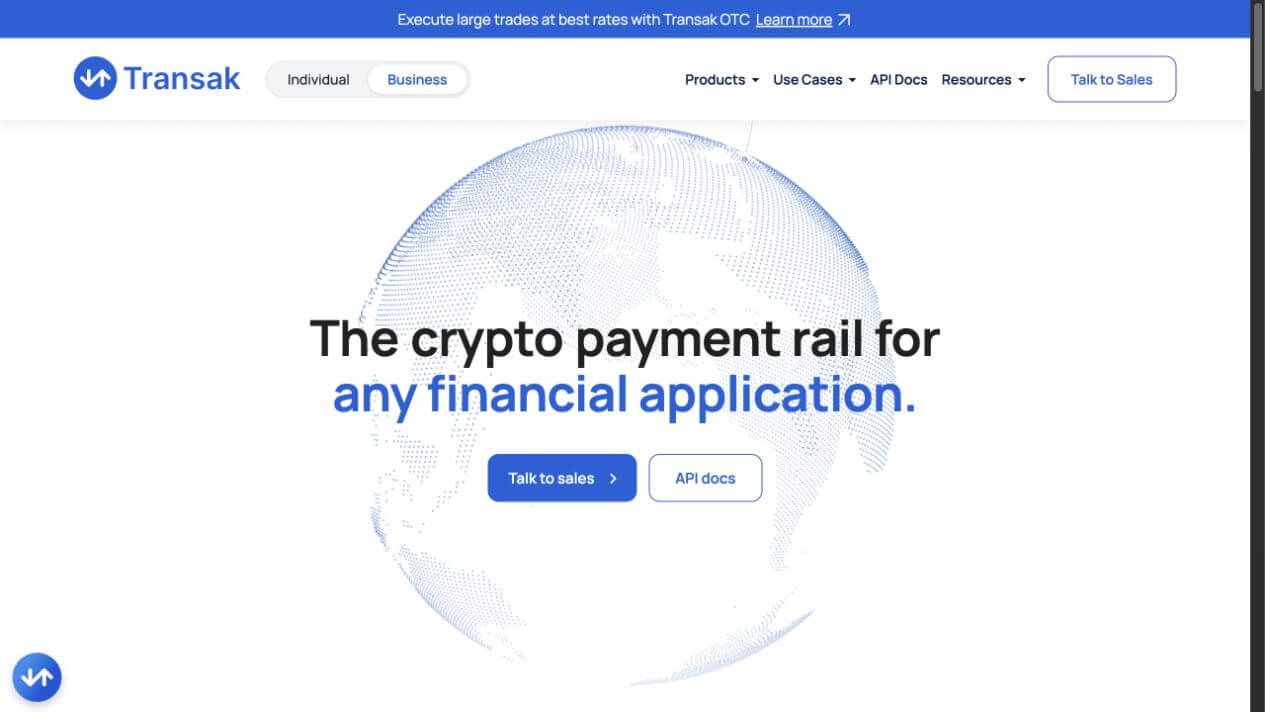
Transak provides fiat onramp and offramp tooling that a product can place inside its own interface. Its integration options include a prebuilt widget and API-based paths for teams that need more control over the payment journey.
It is a practical option when the user needs to acquire crypto before taking an onchain action. A wallet, exchange, game, or DApp can surface the funding step when the user has selected an asset, lacks a required balance, or is about to take an action that needs funds.
Be explicit about the provider handoff. Show the amount, destination wallet, payment method, and the likely next stage before identity or payment checks begin. Do not show a quote as the final application price when fees, limits, or regional availability can change before the order is confirmed.
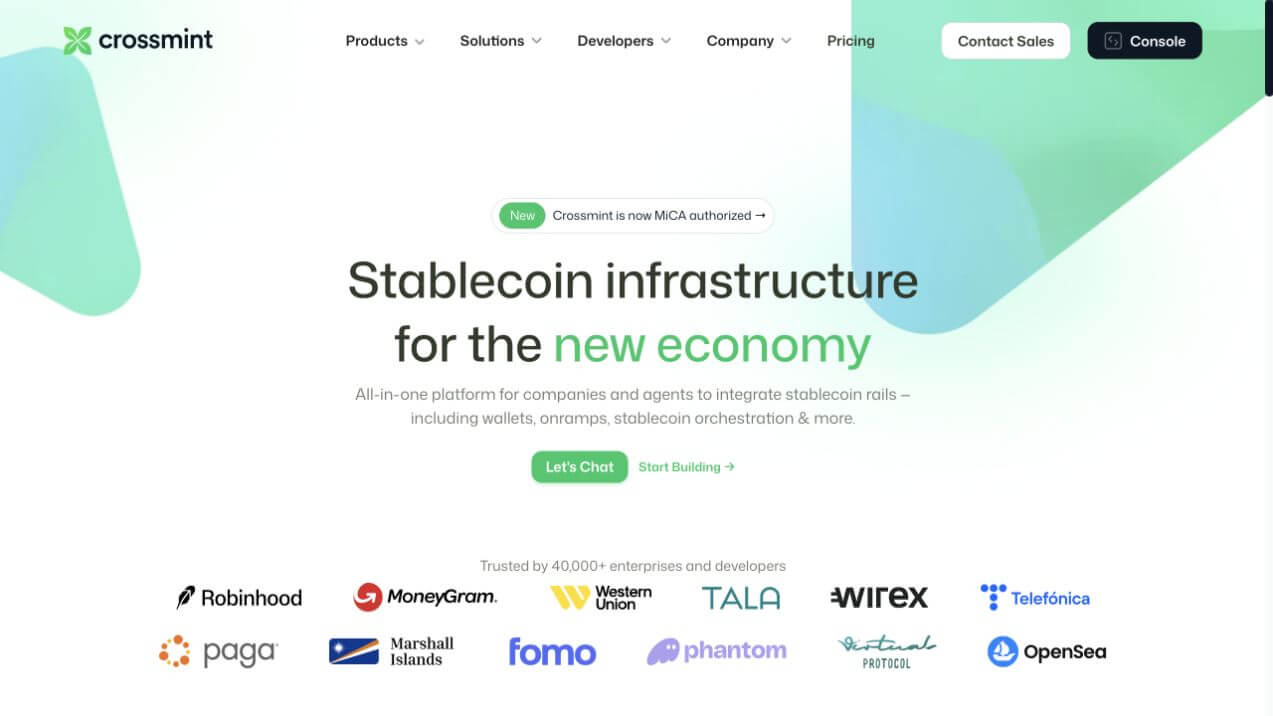
Crossmint is useful when the product is selling a defined token, NFT, or other digital item rather than merely adding funds to a wallet. Its Checkout product supports hosted, embedded, and headless approaches, giving the team a choice between speed and control.
The distinction from an onramp matters. In a checkout, the product already knows what the user intends to buy, so it can show the item, total, delivery destination, and purchase result as one coherent interaction.
Design the post-payment state as carefully as the form. Payment authorization, order processing, onchain fulfillment, and completed delivery may be separate states. When a payment succeeds but delivery is pending, say so clearly.
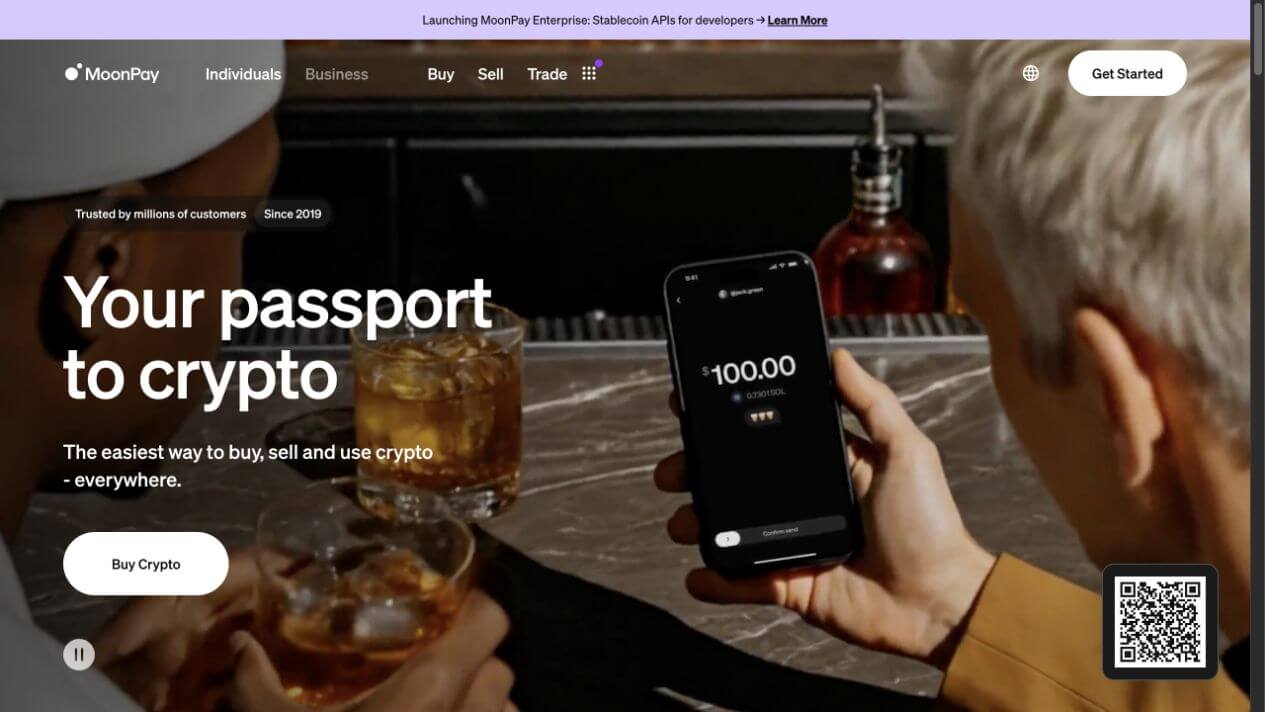
MoonPay provides developer tooling for fiat-to-crypto and crypto-to-fiat flows. Its developer platform distinguishes a simpler hosted path from API and SDK options for teams that need to own more of the interface and state handling.
It is worth evaluating when a product needs both a funding and a cash-out path. If users can receive a token payout, sell an asset, or withdraw value from a product, the offramp expectation should be designed alongside the funding experience.
Choose the ownership model early. A hosted surface can shorten integration and simplify responsibility boundaries. A custom flow gives the application more control, but it also needs careful work around status changes, errors, support ownership, and reconciliation.
Ramp Network offers overlay, hosted, and embedded onramp implementations for different product surfaces. That makes it a useful option when the funding experience needs to fit an existing interface without rebuilding every state from scratch.
The choice is fundamentally a UX decision. An overlay preserves context while keeping implementation light. A hosted flow can simplify boundaries. An embedded integration can feel more native, but needs more attention to responsive layout, loading, cancellation, and return states.
Connect the result to a visible product state. If a user is funding a game wallet or preparing an onchain transaction, detect the relevant balance or transaction state before presenting the next action as ready.
Request Network
Crypto-native invoices, payment requests, and reconciliation
Request Network is an open-source protocol for payment requests, onchain payment facilitation, and reconciliation. Its SDK packages help applications create, retrieve, pay, and observe requests, including invoice-related components.
It is the stronger fit when a payment itself needs context. A creator payout, contractor invoice, protocol fee, subscription-like payment, or B2B settlement flow may need an amount, currency, payee, payer, due date, and reference that can be checked later.
Model the chain behavior precisely. Request contents and payment records are not the same thing. Show the user exactly what they are paying, then reconcile payment state before marking an obligation complete.
How Chainstack fits into the stack
Chainstack does not process card payments or run identity checks. It provides the RPC and WebSocket connectivity an application needs for the onchain side of a payment flow on supported chains. Use it to read balances, submit application-controlled transactions, track confirmations, and watch the contract events that determine whether an asset was delivered or a payment was recorded.
Before launch, test a rejected payment, an interrupted flow, and a completed payment that is still awaiting onchain fulfillment. The application remains responsible for payment policy, entitlements, and user communication.
Build payment flows