Ethereum
 Solana
 Hyperliquid
 Arbitrum
 Base
Base BNB Smart Chain
 Plasma
 Monad
Monad Avalanche
 Aptos
Aptos TRON
TRON Ronin
Ronin zkSync Era
 Optimism
 Sonic
Sonic Polygon
 Unichain
 Fantom
 Gnosis Chain
 Sui
Sui Avalanche Subnets
 Polygon CDK
 Starknet Appchains
 zkSync Hyperchains



 Refer and earn
 Discord
 Telegram
 X (Twitter)
Top 5 hosted Subgraph indexing platforms in 2026

Blockchain applications generate massive amounts of on-chain data, and querying that data efficiently is a critical challenge for modern Web3 projects. Hosted subgraph indexing platforms solve this by running managed indexing pipelines that process blockchain data in real time and expose the indexed data through GraphQL APIs.
In this guide, we compare the top 5 hosted subgraph indexing platforms in 2026 — Ormi, Goldsky, Chainbase, SubQuery and The Graph. We focus on performance, data freshness, developer experience, pricing models, and ideal use cases to help you choose the best subgraph solution for your Web3 application.
We intentionally exclude generic RPC providers and self-hosted indexing frameworks, and instead concentrate only on fully managed subgraph platforms designed for production workloads, real-time analytics, and scalable blockchain data access.
Comparison table
| # | Provider | Key strengths | Free plan & pricing | Best for |
|---|---|---|---|---|
| 1 | Ormi | Sub-30ms latency, 4k+ req/sec, real-time indexing, 70+ chains, GraphQL/REST | Community: 3 subgraphs, 100k entities free. Developer: $4/100k entities pay-go. Enterprise: $1/100k | Latency-sensitive DeFi, trading, gaming; migrations from The Graph Hosted Service |
| 2 | Goldsky | Real-time streaming/webhooks/Mirror, instant subgraphs, 140+ chains, SQL | Starter: forever free (3 subgraphs, 100k entities, 2250 worker hours). Scale: ~$0.05/hr worker + $4/100k entities | Streaming/alerts, analytics, no-code prototyping |
| 3 | Chainbase | No-code, 80+ chains, GraphQL/REST/SQL | Free: 3 projects/2 req/sec. Developer: $99/mo | Cross-chain, rapid dev |
| 4 | SubQuery | 110+ chains (non-EVM), fast sync (~1.85x), flexible mappings, Flex PAYG subquery+1 | Managed: ~$0.20/hr deployment (PAYG per 1k requests). Network: Flex plans per Node Operator | Polyglot ecosystems (Polkadot/Cosmos), custom logic |
| 5 | The Graph | Huge ecosystem of subgraphs, decentralized network (GRT), 40+ chains | Hosted: fully phased out (deprecated). Network: ~$1.5–2/100k queries (GRT), 100k free/mo | Community data (Uniswap/ENS), decentralized apps |
Ormi (0xGraph by Ormi Labs)
Overview of the hosted subgraph platform
Ormi is a next-generation hosted subgraph platform built for performance and real-time data. Branded as 0xGraph, it is fully compatible with The Graph’s subgraph specification, meaning you can migrate existing subgraphs to Ormi with minimal changes. Ormi’s core focus is on speed and reliability for production workloads. It uses a custom hybrid infrastructure (mix of bare-metal and cloud) to achieve extremely low query latency and keep indexing in sync with chain head even under heavy load. In other words, Ormi is designed to avoid the “lag and downtime” sometimes seen with other indexers, making sure your queries always have the freshest data.
Notably, Chainstack has migrated its own production subgraphs to Ormi, using the platform to power internal analytics and real-time data workloads. This internal adoption reinforces Ormi’s positioning as a production-ready alternative for teams moving away from The Graph Hosted Service.
Key strengths of the subgraph indexing service
Ormi focuses on real-time performance and production-grade reliability:
- Low-latency queries: Average response times under 30 ms, with support for thousands of requests per second. Suitable for latency-sensitive applications such as DeFi dashboards and trading systems.
- Real-time indexing: Subgraphs stay closely in sync with the chain head, ensuring fresh data for live applications. Reorgs are handled automatically without data loss.
- Reliable infrastructure: Redundant ingestion and indexing architecture designed for stable performance under load, with 99.9% uptime SLAs for enterprise users.
- Broad chain support: Supports 70+ blockchains, primarily across EVM ecosystems, with the ability to deploy the same subgraph to multiple networks.
- Flexible APIs: Standard GraphQL endpoints, plus optional REST APIs for simpler integrations.
- Easy migration: Fully compatible with The Graph’s subgraph specification. Existing subgraphs can be migrated with minimal or no code changes.
Developer experience and subgraph tooling
- Ecosystem Integration: QuickNode marketplace add-on, webhook support, direct database replicas (Enterprise). Streamlines full-stack Web3 development.
- Familiar Workflow: Uses standard Graph CLI —
graph auth→graph deploy. Web UI for visual deployment and no-code starts. Same project structure you’re used to. - Real-Time Dashboard: Live metrics on query volume, indexing status, latency graphs, error rates. Makes debugging and optimization intuitive vs black-box indexers.
Pricing and scalability
| Tier | Features | Cost |
|---|---|---|
| Community | 3 subs, 100k entities | Free |
| Developer | Pay-go entities | $4/100k |
| Enterprise | Dedicated, <50ms SLA | $1/100k |
Ideal use cases for subgraph indexing
- Multi-Chain Apps: Single subgraph across 70+ EVM networks with consistent schemas
- DeFi/Trading: Sub-second position/price updates for dashboards, arbitrage bots, portfolio trackers
- Real-Time Gaming/Wallets: Instant event reactions (mints, transfers, battles)
- Production Migrations: Teams leaving The Graph Hosted — same code, better performance
Goldsky
Overview of the hosted subgraph platform
Goldsky is a hosted subgraph platform that emphasizes real-time data delivery and integrations. Their tagline is “Crypto data, live-streamed,” which reflects how they not only host subgraphs for GraphQL queries, but also offer streaming and transformation capabilities on top of the indexed data. Goldsky can be seen as an enhanced version of The Graph’s hosted service – it’s fully compatible with subgraph definitions, but it turbo-charges the performance and adds features like webhooks, direct SQL access, and data mirroring to external systems. It supports a very large number of chains (over 140 networks are supported, including testnets) and has been used by projects such as Polymarket, POAP, and Arweave to handle high query volumes.
Key strengths of the subgraph indexing service
Goldsky focuses on real-time data delivery and flexible data pipelines:
- Real-time streaming: In addition to GraphQL queries, Goldsky supports webhooks and streaming updates, allowing applications to react to on-chain events as they happen.
- Fast indexing and backfills: Optimized infrastructure for quick historical syncs and near–real-time indexing, with automatic handling of chain reorganizations.
- Instant subgraphs: Low-code setup that can generate subgraphs from contract ABIs, enabling fast prototyping without writing full mappings.
- Multiple data outputs: Query data via GraphQL, run SQL transformations, or stream indexed data directly into external databases and analytics systems.
- Wide chain support: Supports 140+ networks, including EVM chains and testnets, making it suitable for multi-chain applications.
Developer experience and subgraph tooling
- Flexibility: GraphQL + SQL queries + streaming endpoints in one platform.
- Goldsky CLI: Graph-compatible deploy workflow. One-click community subgraph imports.
- Dashboard: Subgraph monitoring + webhook setup. Visual pipeline builder for Mirror.
Pricing and scalability
| Tier | Features | Cost |
|---|---|---|
| Starter | 3 subs, 100k entities, 2250 worker hrs, unlimited webhooks | Free |
| Scale | Pay-go workers + entities | $0.05 per hr + $4 per 100k |
Ideal use cases for subgraph indexing
- Rapid Prototyping: No-code subgraph generation for testing DeFi/NFT ideas across 140+ chains before committing to custom mappings.
- Event-Driven Apps: Alert systems, trading bots reacting to on-chain events via webhooks within seconds of block confirmation.
- Data Pipelines: Stream blockchain data into your warehouse (Postgres/Timescale) for analytics, keeping off-chain systems in sync.
Chainbase
Overview of the hosted subgraph platform
Chainbase is a bit unique on this list because it positions itself as a Web3 data cloud platform that does more than just subgraphs. It offers a variety of data services (balances API, token API, NFT API, etc.) in addition to a hosted subgraph feature. Think of Chainbase as the “Firebase/Snowflake for Web3” – it provides managed infrastructure to index and query blockchain data across many chains, with both no-code and developer-centric tools. They highlight a very fast indexing pipeline (claims of up to 10× faster backfills than The Graph) and real-time sync with “almost zero latency” to the latest block. Importantly, Chainbase supports 80+ blockchains (covering most EVM networks and newer ones like Sui, Aptos, Solana, etc. as well), making it one of the most cross-chain capable platforms.
Key strengths of the subgraph indexing service
Chainbase focuses on ease of use and broad multi-chain data access:
- No-code indexing: Visual tools to create subgraphs without writing mappings or YAML, suitable for fast setup and non-technical teams.
- Multiple query interfaces: Access indexed data via GraphQL, REST, or SQL from a single platform.
- Wide chain support: Supports 80+ blockchains across EVM and non-EVM ecosystems, enabling cross-chain applications from one dashboard.
- Fast historical syncs: Optimized backfilling and caching for quicker access to historical blockchain data.
- Unified data platform: Combines subgraphs with ready-made APIs (balances, tokens, NFTs) under one data layer.
Developer experience and subgraph tooling
- Scale Controls: Rate limits scale with plans. No entity/query overage surprises.
- Web Console: Visual project setup, no CLI needed. Drag-drop event indexing.
- Unified Portal: One dashboard for all chains/projects. API keys per project.
Pricing and scalability
| Tier | Features | Cost |
|---|---|---|
| Free | 3 projects, 2 req/sec | Free |
| Developer | 15 projects, 10 req/sec, real-time | $99/mo |
| Enterprise | Role-based access, custom SLAs, AI query engine | Contact to sales |
Ideal use cases for subgraph indexing
- Cross-Chain Dashboards: Portfolio trackers, NFT galleries spanning Ethereum + Solana + Polygon from single API.
- Non-Technical Teams: Marketing/product teams building internal tools without hiring subgraph specialists.
- Rapid Multi-Chain: Quickly index contracts across 80+ chains for aggregator apps or chain-agnostic analytics.
SubQuery
Overview of the hosted subgraph platform
SubQuery originated in the Polkadot ecosystem and has grown into a comprehensive indexing solution for multiple ecosystems. It provides an open-source indexing SDK and a Managed Service to host your indices, with a strong focus on performance and flexibility. SubQuery was designed to be a faster, more developer-friendly alternative to The Graph, especially for non-EVM chains. Over time, it expanded to support 110+ networks including Polkadot’s many parachains, Kusama, Avalanche, Ethereum, Polygon, Cosmos-based chains, Algorand, NEAR, and more. This makes SubQuery arguably the most ecosystem-agnostic indexer – it’s not limited to EVM.
Key strengths of the subgraph indexing service
SubQuery emphasizes flexibility and support for diverse blockchain ecosystems:
- Broad ecosystem coverage: Supports 110+ networks, including Polkadot, Cosmos, and other non-EVM chains alongside EVM networks.
- Flexible indexing logic: Allows more custom logic during indexing compared to standard subgraph runtimes.
- Faster sync performance: Optimized indexing engine designed to reduce sync times during development and schema changes.
- Multi-chain indexing: A single project can index data from multiple chains and expose it through one GraphQL endpoint.
- Open-source foundation: Core indexing framework is open source, with options for managed hosting or self-hosting.
Developer experience and subgraph tooling
- Migration Guides: The Graph → SubQuery conversion tools. Similar project structure.
- Resource Control: Dial vCPUs up/down for sync speed ($0.10/hr extra). Pay only while syncing.
- Network Flex Plans: PAYG per 1k requests. Operators compete on price/service.
Pricing and scalability
| Tier | Features | Cost |
|---|---|---|
| Managed | Pay per deployment hour | $0.20/hr |
| Network | Flex plans per operator | PAYG/1k req |
Ideal use cases for subgraph indexing
- Non-EVM Ecosystems: Polkadot parachains, Cosmos zones, Algorand dApps needing custom indexing.
- Complex Logic: Protocols requiring off-chain data (Chainlink oracles, IPFS metadata) during indexing.
- Fast Development: Teams iterating quickly — faster syncs mean less waiting during schema changes.
The Graph
Overview of the hosted subgraph platform
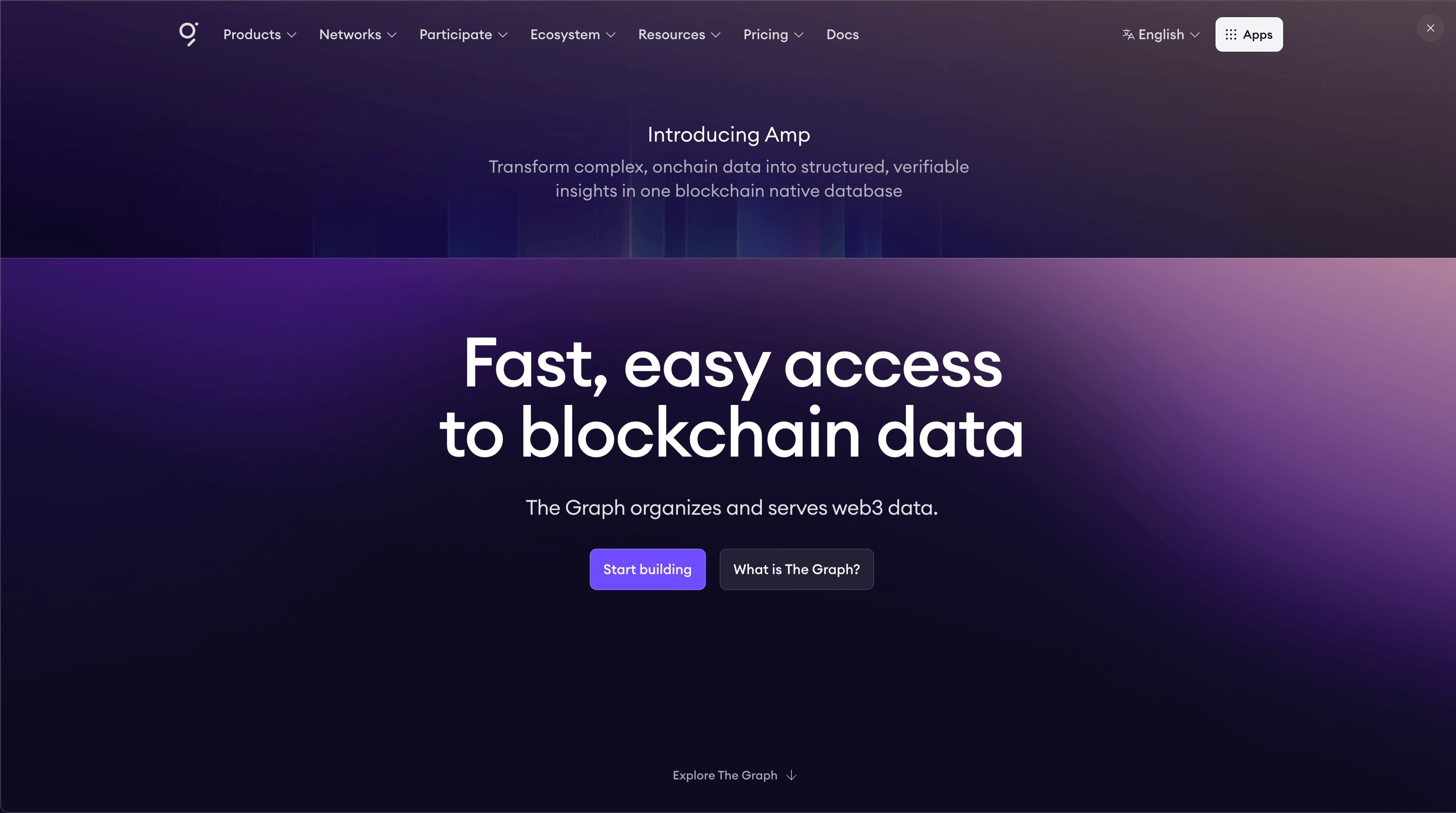
No comparison would be complete without The Graph, which is the original pioneer of the subgraph concept. The Graph provides a decentralized protocol for indexing blockchain data and making it queryable via GraphQL. It began with a Hosted Service (a free SaaS operated by The Graph team) and has since been transitioning to the Decentralized Network (also known as The Graph Network) where indexers (node operators) index subgraphs and are rewarded in GRT tokens. The Graph introduced the whole idea of writing a subgraph manifest and mappings to define how to index smart contract data, and it remains the standard that many developers learn first. As of today, the Hosted Service is officially deprecated, while the decentralized network is production-ready and growing. The Graph supports subgraphs on 40+ chains (primarily Ethereum and EVM-compatible chains, plus some non-EVM like NEAR), enabling a wide range of Web3 data sources.
Key strengths of the subgraph indexing service
The Graph’s strengths are driven by its ecosystem scale and decentralized model:
- Largest subgraph ecosystem: Thousands of community-maintained subgraphs for popular protocols like Uniswap, ENS, and NFT marketplaces. Often no need to build your own indexer for standard data.
- Industry standard: The original subgraph specification that most indexing platforms remain compatible with. Skills and tooling are easily transferable.
- Decentralized indexing network: Queries are served by independent indexers staking GRT, providing redundancy and censorship resistance.
- Proven and battle-tested: Used in production for years and capable of serving large query volumes reliably, even if not optimized for ultra-low latency.
- Broad chain coverage: Supports 40+ chains across EVM ecosystems and selected non-EVM networks via Firehose / Substreams.
Developer experience and subgraph tooling
- Subgraph Studio: Web interface for creating, testing, publishing subgraphs. Signal with GRT to attract indexers faster. Monitor health/query stats from dashboards.
- CLI Deployment:
graph deployto Network endpoint. Uses existing YAML/schema/mappings — no code changes needed. Local test withgraph buildfirst. - GRT Billing: Usage-based query fees paid in GRT, typically around ~$1.5–2 per 100k queries after the free tier, depending on indexer pricing.
Pricing and scalability
| Tier | Features | Cost |
|---|---|---|
| Network Free Tier | 100k queries/mo | Free |
| Network | Pay per query | $1.5-2 per 100k |
Ideal use cases for subgraph indexing
- Existing Subgraph Leverage: Query ready-made data from Uniswap trades, ENS domains, or NFT collections without building your own indexer. Perfect for apps needing standard protocol data fast.
- Decentralized Projects: Open-source dApps or protocols wanting censorship-resistant indexing via multiple GRT-staked indexers. Economic guarantees ensure uptime and accuracy.
- Ecosystem Apps: Dashboards, explorers, or analytics pulling from community subgraphs across 40+ chains. Cost-effective for non-real-time needs where a few blocks lag is acceptable.
Frequently Asked Questions
1. What is a subgraph indexing platform?
A subgraph indexing platform is a managed service that indexes blockchain data in real time and exposes it through GraphQL APIs. Instead of querying raw blockchain nodes via RPC (slow and complex), you define what data to index, and the platform handles infrastructure, syncing, and query optimization automatically.
2. Is The Graph Hosted Service still available in 2026?
No, The Graph Hosted Service was fully deprecated in 2026. All projects must now use The Graph Network (decentralized, GRT-based) or migrate to alternative platforms like Ormi, Goldsky, or SubQuery.
3. How much does subgraph indexing cost?
Pricing varies by platform:
- Ormi: $4 per 100k entities (100k free)
- The Graph: $1.5-2 per 100k queries (100k free/month)
- Goldsky: $0.05/hr workers + $4/100k entities (free tier available)
- Chainbase: $99/month fixed (Developer plan)
- SubQuery: $0.20/hr deployment
4. Which subgraph platform is the fastest?
Ormi offers the lowest latency with sub-30ms query response times and 4k+ requests/second. It’s optimized for real-time DeFi, trading, and gaming applications where every millisecond matters.
5. Can I migrate from The Graph to another platform?
Yes, platforms like Ormi, Goldsky, and SubQuery are fully compatible with The Graph’s subgraph specification. You can migrate with minimal or no code changes — just redeploy using their CLI.
Conclusion: Choosing the Right Subgraph Platform
With several strong hosted subgraph indexing platforms available in 2026, there is no one-size-fits-all solution — the right choice depends on your application’s performance requirements, data freshness needs, and development workflow.
- Choose Ormi if your priority is real-time performance and production reliability for latency-sensitive workloads like DeFi trading, dashboards, or on-chain games.
- Choose The Graph if decentralization, ecosystem standardization, and access to community-maintained subgraphs are core to your project.
- Choose Goldsky if your application relies on real-time streaming, webhooks, or pushing indexed data directly into analytics and off-chain systems.
- Choose Chainbase if you need a no-code, multi-chain data platform that prioritizes speed of setup and broad chain coverage.
- Choose SubQuery if you require flexibility, non-EVM support, or faster indexing with custom logic.
Overall, modern hosted subgraph indexing platforms significantly reduce operational complexity compared to running self-hosted indexers. By aligning platform strengths with your technical and business goals — performance, scalability, ecosystem fit, and cost — you can confidently select the subgraph solution that best supports your Web3 application in 2026.
FAQ
What is a subgraph indexing platform?
A subgraph indexing platform is a managed service that indexes blockchain data in real time and exposes it through GraphQL APIs. Instead of querying raw blockchain nodes via RPC (slow and complex), you define what data to index, and the platform handles infrastructure, syncing, and query optimization automatically.
Is The Graph Hosted Service still available in 2026?
No, The Graph Hosted Service was fully deprecated in 2026. All projects must now use The Graph Network (decentralized, GRT-based) or migrate to alternative platforms like Ormi, Goldsky, or SubQuery.
How much does subgraph indexing cost?
Pricing varies by platform:
- Ormi: $4 per 100k entities (100k free)
- The Graph: $1.5-2 per 100k queries (100k free/month)
- Goldsky: $0.05/hr workers + $4/100k entities (free tier available)
- Chainbase: $99/month fixed (Developer plan)
- SubQuery: $0.20/hr deployment
Which subgraph platform is the fastest?
Ormi offers the lowest latency with sub-30ms query response times and 4k+ requests/second. It’s optimized for real-time DeFi, trading, and gaming applications where every millisecond matters.
Can I migrate from The Graph to another platform?
Yes, platforms like Ormi, Goldsky, and SubQuery are fully compatible with The Graph’s subgraph specification. You can migrate with minimal or no code changes — just redeploy using their CLI.
Power up your Web3 infrastructure with Chainstack
Chainstack helps Web3 teams reduce infrastructure costs while scaling reliably across multiple blockchains. With transparent pricing and production-ready tooling, you can run RPC workloads without overpaying for unused capacity.
Connect to Ethereum, Solana, BNB Smart Chain, Polygon, Arbitrum, Base, Optimism, Avalanche, Hyperliquid, Monad, Aptos, and more — all from a single platform designed for developers.
Chainstack also provides fast access to archive data, Solana gRPC streaming, and public testnet faucets to support development and testing.
Get started for free, explore pricing for your workload, or learn more in the Developer Portal.